totonoeru 茶
Kukitencha (Stem Tencha Green Tea) 茎碾茶 40g
Kukitencha (Stem Tencha Green Tea) 茎碾茶 40g
Couldn't load pickup availability
Kukitenncha (Stem Tencha Green Tea)
Origin: Ujitawara, Kyoto Cultivar: Okumidori
What is Stem Tencha?
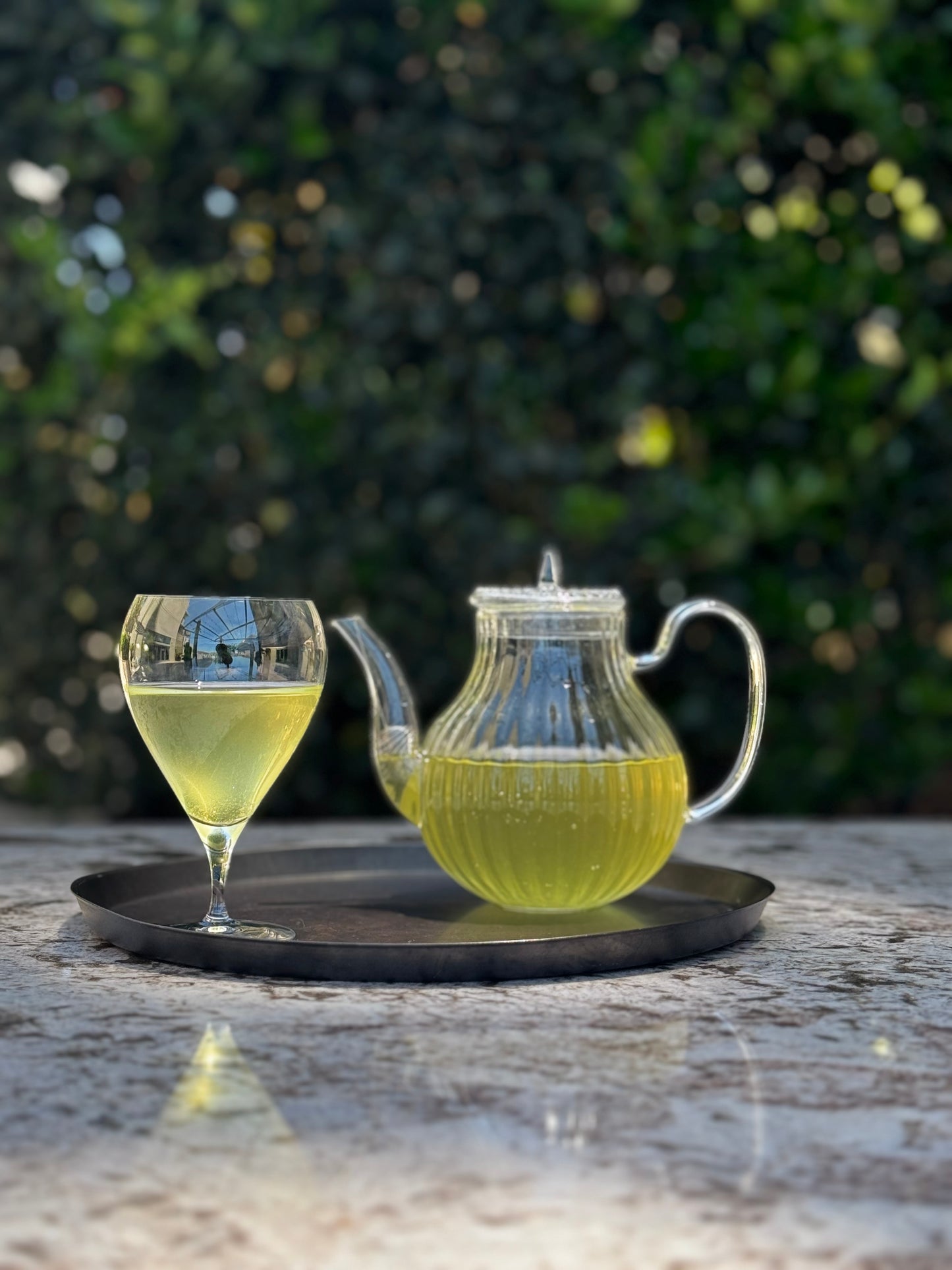
Stem Tencha is a special Japanese tea made exclusively from the stems of high‑quality tencha—the raw material used to produce matcha—grown in Ujitawara, Kyoto. The stems contain a high level of theanine, giving the tea a naturally sweet, smooth flavor with almost no bitterness. Because stems have less caffeine than leaf tea, this tea is gentle and easy to enjoy throughout the day. Its light, clean finish and refreshing aroma pair beautifully with meals and everyday moments.
▶︎ Cold Brew
- Water: 1 L
- Tea leaves: 13 g
- Steep: At least 4 hours in the refrigerator Slow, low‑temperature extraction reduces caffeine and brings out the tea’s natural sweetness.
*After brewing, strain the leaves. Store in the refrigerator and consume within 2 days.
▶︎ Hot Brew
- Tea leaves: 2 g
- Water temperature: 70°C (Lower temperatures highlight the umami and natural sweetness of green tea.)
- Steep: 40–60 seconds
- You can enjoy up to 3 infusions, increasing the temperature slightly each time.
▶︎ Hot Brew → Ice Shock
- Tea leaves: 3 g
- Water temperature: 80–90°C
- Steep: 40–60 seconds
- Pour directly over a cup filled generously with ice to rapidly chill.
Storage
Green tea is very sensitive to temperature and surrounding aromas. Store it in a sealed bag or tea tin in a cool place or in the refrigerator. When brewing, allow the tea to return to room temperature for the best flavor.
• Suitable for both hot and iced preparations
About the Tea Garden (History & Philosophy)
Yuyadani in Ujitawara, Kyoto, is known as the birthplace of sencha, a region with a long and important history in Japanese tea. The valley’s unique environment—its frost‑free terrain, unusually low rainfall, strong day‑night temperature shifts, and ancient marine layers formed 15 million years ago—creates a distinct terroir that produces tea with exceptional aroma and deep, powerful flavor.
This area was once called Yutani Village. It is said that Sōen Nagatani, the creator of modern sencha, served tea from Yuyadani’s Daifukudani valley to the tea sage Baisao, who praised it as “the finest tea in the land.” Yuyadani has long been known for teas that express the pure “land aroma” (jiko) unique to this region.
In modern times, Uji tea has shifted toward a style characterized by strong umami, influenced by reduced open‑field cultivation and the heavy use of nitrogen fertilizers after the war. In contrast, this tea garden is dedicated to reviving the original character of Yuyadani’s sencha.
We practice natural cultivation, relying on no pesticides or chemical fertilizers. Instead, the soil is enriched with native grasses such as susuki and forest leaf mold, allowing the tea trees to grow with their own natural vitality.
The tea is harvested only once a year, giving the trees time to slowly build strength. Each batch is produced as a single origin, without blending, resulting in extremely limited quantities. Tea from Yuyadani is therefore considered rare and highly valued, cherished for its purity and its deep connection to the land.
Share